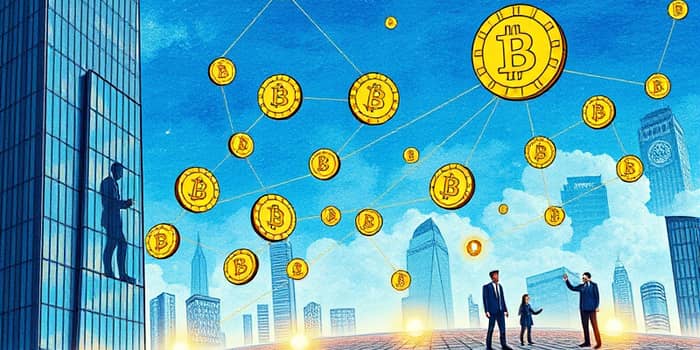
Asset tokenization stands at the crossroads of finance and technology, ready to reshape how we own, trade, and value assets. By digitizing real-world holdings, this innovation promises unprecedented liquidity and access.
At its core, representing ownership rights to real assets involves converting shares of tangible or intangible items—such as property, art, or equity—into digital tokens on a blockchain.
These tokens reside on decentralized networks with immutable records, creating new models of exchange, transparency, and trust across global markets.
The tokenization process begins with identifying an underlying asset and establishing legal structures that tie tokens to real-world ownership.
Once the legal groundwork is set, tokens are minted on a blockchain using smart contracts—programmable code that automates processes like compliance checks, dividend distributions, and transfers.
Oracles then feed reliable off-chain data—such as asset prices or event triggers—into these smart contracts, ensuring that on-chain records accurately reflect real-world conditions. This combination of technologies yields programmable, self-executing digital asset tokens with built-in compliance and auditability.
Tokenization extends across a diverse range of asset classes, each benefiting from tailored blockchain solutions:
Market forecasts underscore the transformative potential of tokenization. The World Economic Forum estimated that by 2027, up to 10% of global GDP could be tokenized, equivalent to $8–10 trillion. While the tokenized assets market was only in the tens of billions in 2023, adoption rates are accelerating rapidly.
Across the globe, regulators are exploring sandbox environments and developing guidance for asset-backed tokens. In some jurisdictions, dedicated frameworks for security tokens are emerging, offering clearer paths for issuance and trading.
Major financial institutions are piloting tokenized funds and bonds, signaling growing confidence in the technology. As legal clarity improves, institutional investment is expected to surge, driving further innovation in trading platforms and custody solutions.
Several high-profile initiatives illustrate the promise of tokenized assets:
1. A European property fund divided a $5 million office building into one million tokens, attracting global investors who purchased stakes as small as $50.
2. A luxury art platform enabled fractional shares in a $3 million painting, unlocking liquidity and delivering dividends when pieces were loaned to galleries.
3. A corporate bond issue used smart contracts to automate interest payments, cutting issuance costs by more than 30% and shortening settlement times to under an hour.
The next wave of tokenization will integrate DeFi (decentralized finance) protocols with real-world assets, creating hybrid ecosystems where loans, derivatives, and insurance products are underpinned by tokenized collateral.
Interoperability standards and cross-chain solutions will enable seamless movement of tokens between blockchains, while advancements in zero-knowledge proofs and privacy layers will address confidentiality concerns.
Ultimately, as technology matures and legal frameworks solidify, tokenization will democratize access to high-value markets and redefine how capital flows around the world. For investors and asset owners alike, the tokenization revolution holds the promise of greater liquidity, transparency, and global participation in markets once considered inaccessible to many.
References